

Bottom wiping is a task that our clinicians often work on in occupational therapy sessions, so we thought we would share an in depth-look at our tips to help teach your child wipe or begin their journey towards independent wiping.
This is an extended version of our previous ‘Cheeky’ hacks to help your child learn to wipe their bottom – PART 1 – review this blog for a short summary of our best tips!
1. Stable position
Make sure that your child can sit safely and comfortably on the toilet. Consider a toilet insert or family toilet seat and check that feet are supported on a step stool. This is important for feeling safe and relaxed to wee and poo, but also supports your child to feel comfortable when reaching around to wipe.
2. The toilet paper
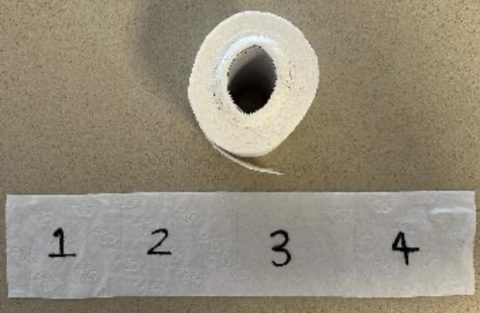
Can your child reach and pull on the toilet roll? Consider how much toilet paper is just the right; usually 3-4 squares folded for each wipe. Practice counting and noticing the perforations in the toilet roll tissue to tear.
Top tip – before placing the roll on the holder – squash it flat a little. This stops the roll spinning too easily.
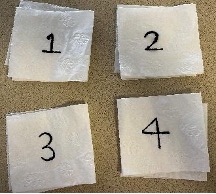
Folding 4 paper squares into stacks ready for use:
3. Folding
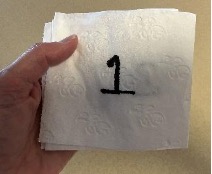 Some of us are ‘scrunchers’, some are ‘folders’ and some are ‘wrappers’. Generally, a folded, flat surface makes it easier to wipe.
Activities that include folding paper like making paper planes, simple origami, folding napkins and kitchen towel can be fun ways to develop toilet folding skills. Check out this video for ideas.
4. Tearing
Practice this skill at other times in the day – like by using kitchen paper towels which have more defined perforations to tear. A fun way to learn is by tearing tissue paper to scrunch and paste onto pictures to make collages.
5. How to hold the toilet paper
Ensure your child is able to hold the toilet paper without covering up the side they want to wipe with. Which grasp is easier for your child may also influence how they fold the paper – scrunching the paper can create a bulk that is easier to grip.
6. The reach around
We all know it is essential to learn to wipe from front to back (especially for girls). This requires a slight weight shift onto one butt cheek and the ability to reach around.
Practice this with some reach around games – not quite pin the tail on the donkey, but games that involve removing or applying post-it notes, stickers, or Velcro dots on top of your child’s shorts/bottom or under their chair.
7. Front to Back
Wiping from the front to the back is generally considered the safer route to go. This reduces the risk of infection from faeces and transmission of bacteria to prevent urinary infections and skin breakdown.
8. How to wipe
This is a fun activity to practice. Start with a flat, hard surface – like by practicing wiping up skills in the kitchen, on the table and with dishes. Progress to softer, less firm surfaces like a deflated plastic ball, then onto arms or legs. Encourage a press down and slide with a lift, fold the paper, wipe again and put it in the bin. Repeat as needed.
You can have fun using shaving foam or whipped cream and progress to Nutella, Vegemite, or peanut butter. *Making sure your child does not have allergies for food-based activities.
9. Helping hand
Using a ‘hand-over-hand’ may be helpful to provide the physical prompt and motor pattern to practice the skill.
10. Keep wiping
It is important to support stamina and perseverance, as well as knowing when to finish. Talk your child through the process of wipe, fold, wipe, fold, wipe until they don’t see anything on the toilet paper to wipe anymore. That’s how they’ll know they’re finished and ready to flush. Ensure your child can tell the difference between paper that is dirty and clean.
Taking turns to share the task with the child increases their capacity. Start by getting your child to complete the last wipe, then build up to the last two wipes and so on until they are completing all of the wiping.
11.Fear of poo on fingers/hands
If your child is worried about touching poo, consider some food hygiene gloves for wiping while learning the skill. *Caution for any skin sensitivities to latex etc.
Encourage activities outside of toileting to get used to messy play and wiping, and coping with dirty hands. For example, playing with slime, finger painting or shaving cream. Ensure your child knows what to do if their hands get dirty – e.g. wiping or washing the mess off.
12. Visual supports
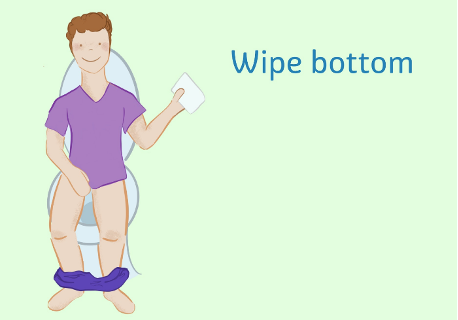 Sequence of wiping with visuals is helpful in supporting your child to identify what’s next in the task. This helps with their planning and preparing for the task, and can also decrease the amount of specific prompts you need to provide.
Now its time to get started and help your child learn to wipe! Using the strategies above, you can feel confident in knowing what key skills they need to learn and ways to make it fun along the way.
Your occupational therapist is always here to help you with any questions you may have. Get in touch with us to learn more.
ROS PULLMAN
Occupational Therapist.


