

If your child is starting to show interest or readiness in using the potty or toilet, now’s the perfect time to set them up for toilet training success. This blog is full of practical tips to create a kid-friendly bathroom environment to help make the journey smoother—for both of you!
Feeling unsure if your child is ready for the toilet? Check out our Blog: How will I know when my child is ready to wee and poo in the potty or toilet?
Preparing the environment: Setting up the bathroom
- Create a toilet/bathroom area that feels comfortable, welcoming and interesting to your child. Involving your child in creating a safe space to wee and poo can be a helpful step in engagement and interest in learning to use the toilet.
- Check out our previous blog on how to set up your loo for the best poo!
- Consider your child’s sensory preferences and how we might need to change some aspects of the bathroom to make it more comfortable for them
- Is your child more sensitive to noises (toilet flush), smells, bright lights or cold surfaces?
- Consider choosing certain colours, novel soaps, posters, novelty toilet paper, aroma diffusers, dimming lights, or a soft mat on the floor to provide that ‘just right’ environment to feel relaxed in.
- Distinguish between hot and cold taps.
- Consider any visual or tactile differences you may need to accommodate for e.g. a visual to help identify hot (red) and cold (blue) taps, or a texture or braille on each tap.
- Lever taps or a mixed one spout tap can also be easier to use, but consider a temperature restrictor if needed to avoid scalding water.
- Set-up your changing supplies in the toilet/bathroom (or as close as possible) with the aim to link the toilet environment to poos and wees.
Preparing the environment: Can your child reach what they need?
- Check that your child can reach the light for the bathroom. If not, you may need to purchase some stools or add a sensor light to the bathroom.
- Do you need a stool for the bench, so your child can reach the taps and soap?
- Can your child use the soap for hand washing?
- Is a pump dispenser easier or a soap bar?
- For kids who like to use lots of dispenser soap, consider diluting or decanting into a smaller pump bottle to limit the amount used.
- Is the hand towel to dry hands easy to reach? Is it absorbent and a texture that your child will tolerate?
- Ensure the toilet paper is easily accessible – this will help prevent a whole roll of toilet paper coming off in one pull!
Preparing the toilet: Would equipment be helpful?
- Consider a step stool or toilet ladder to ensure your child is sitting comfortably and safely with their feet and legs supported, so that they can relax their pelvic floor muscles to fully empty wees and poos. Aim for their knees to be slightly above their hips.
- This will also support your child to easily get on and off the toilet independently.
- Potty toilets can be a useful step to transition to the toilet as your child may feel more comfortable on something a smaller size.
- Have a potty close that the child likes – maybe one that is of their favourite character or decorate the potty with stickers.
- Consider placing the potty insert into the toilet as then there is a choice between using the potty and toilet and help reduce the worry of water splashing up when the child has a poo.
- Ensure the toilet seat is comfortable and the right fit for your child (often they can be too big).
![]() Make sure there are no cracks in the toilet seat that can pinch skin and that the seat sits firmly on the ceramic bowl. Slipping toilet toilets can be scary if they move and prevent children from fully relaxing on the toilet.
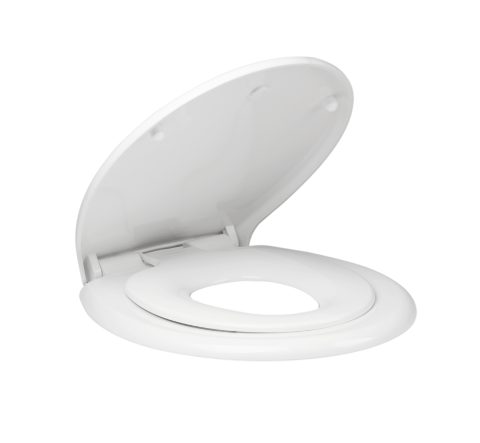 Make sure there are no cracks in the toilet seat that can pinch skin and that the seat sits firmly on the ceramic bowl. Slipping toilet toilets can be scary if they move and prevent children from fully relaxing on the toilet.
- Consider a toilet seat insert or a family toilet seat, that offers a regular and small size seat in one.
- Having a visual timer, like a sand or liquid bubble timer, will help with supporting your child in knowing how long to sit on the toilet for.
![]()
- Similarly, counting to a specific number or singing a song will also support toilet sitting time.

Helping your child feel safe, confident and curious about using the toilet starts with thoughtful preparation. By creating a welcoming bathroom space, providing the right tools and considering your child’s individual needs and preferences, you’re laying the foundation for success.
Feel ready to learn the next steps of how to prepare your child for toilet training? Our next blog is coming out in two weeks!
ROS PULLMAN
Occupational Therapist.


