

To celebrate book week we wanted to share some of our clinicians’ favourite books with you!
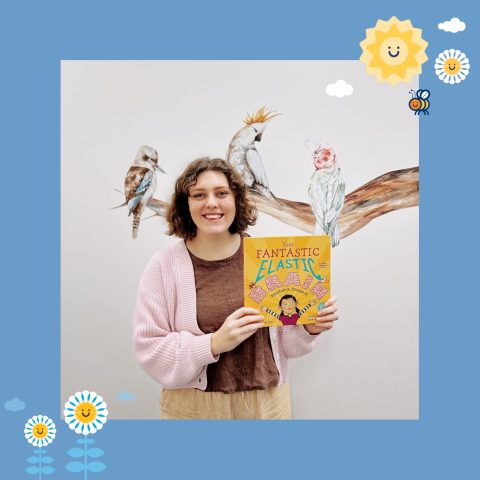
Megan: ‘I love the book ‘Your Fantastic Elastic Brain’ by JoAnn Deak as it gives us the opportunity to normalise how all brains are different and how we can stretch and grow our brains by learning new things!’
Elizabeth: “I love ‘The Invisible String’ by Patrice Karst, because it is about how we can all have big feelings when we have to separate from our parents or favourite people – saying goodbye at school drop-off, or going to school camp, can feel scary! The Invisible String is about how even when we are away from the people we love, we are still connected to them.”

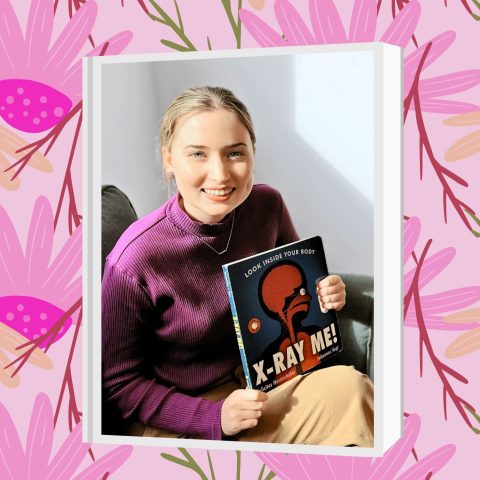
Sienna: “I love ‘X-ray Me’ for teaching young children about the body. It shows what different parts of our body look like inside, and it is a lot of fun to hold it up to your own body like an X-ray, helping kids connect these images to themselves. It can be hard to find a clear picture of the bladder and bowel in kids books, but this has them both!”
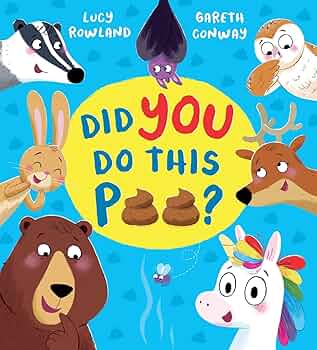
Ros: “My favourite book is ‘Did You Do This Poo’ by Lucy Rowland and Gareth Conway. This is a colourful, story based adventure of a Unicorn and the other animals the Unicorn meets to find out who did the poo?. It helps develop a sense of curiosity and explores the different shape, size, colour and texture of poos whilst also thinking about where animals poo. It is easy to follow for a younger audience and I like the size which is easy to share with the child and adult.
Paired with the matching ‘Who Did This Poo’ memory game is a great way to extend and further explore different poos.”
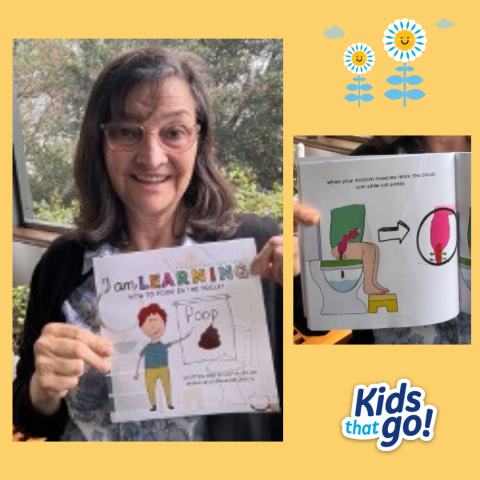
Annette: “I’ve found the book ‘I Am Learning How to Poop in the Toilet’ by Sarah Weissman Selznick really informative and fun. It is American so it uses language like “diaper” and “poop” but you can adapt and use Aussie language (as long as your kid doesn’t read it and correct you!). I’ve only found it online but search for it and it should be less than $20. The book has good simple anatomical explanations for what happens when your body makes and does a poo. It also has some sensory and environmental suggestions for how you can make doing a poo in the toilet feel safer and more comfortable”.
Books are an amazing tool that we can use as therapists, or you can use at home! Learn more in our blog about how we use books therapeutically, and our favourite toileting books.


